 Mold Removal
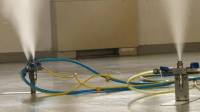
Pure Air mold removal is a dry fog remediation process that eliminates mold with minimal demolition. It uses a patented two-step system that penetrates walls, ceilings, and hard-to-reach areas to kill mold spores at the source. The treatment also targets airborne spores, improving indoor air quality. Because it requires minimal teardown, the process is faster and less disruptive than traditional mold removal methods. Pure Air is commonly used in homes, offices, and commercial buildings where mold contamination is present. The result is a thorough, efficient remediation solution that restores a cleaner and healthier indoor environment without the need for extensive reconstruction or material removal.
 Mold Remediation
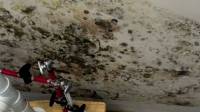
Mold remediation is the process of identifying, containing, and removing mold growth from a property to restore safe indoor conditions. It begins with a detailed inspection to locate moisture sources and affected areas. Containment barriers and air filtration systems help prevent spores from spreading during cleanup. Technicians remove contaminated materials, treat surfaces, and address the underlying moisture issue to stop future growth. Proper remediation also includes cleaning the air and surrounding areas to reduce lingering spores. This process is essential for protecting structural materials and maintaining healthier indoor air, especially in homes or buildings with water damage, high humidity, or poor ventilation.
 Mold Inspection
Mold inspection is the process of identifying visible and hidden mold growth within a property. It involves a thorough assessment of areas prone to moisture, such as basements, bathrooms, attics, and around HVAC systems. Inspectors look for signs of water damage, musty odors, and conditions that support mold growth. Tools like moisture meters and thermal imaging cameras may be used to detect problem areas behind walls or under flooring. In some cases, air or surface samples are collected to confirm mold presence and levels. A professional mold inspection helps determine the extent of contamination and guides the next steps for effective remediation and long-term prevention.
 Commercial Sanitizing
Our Commercial Sanitizing service employs a patented two-stage method to control mold and harmful pathogens. First, a VaPure fog fills the room completely, ensuring contact with all surfaces and remaining in the air long enough to neutralize microbes. The second phase applies an antimicrobial layer, establishing a durable protective shield to maintain cleanliness and hygiene across the space.

Mar 09, 2026
We love this company! Greg is awesome. Never tries to sell us anything and legitimately cares about our family and well-being. Great product. Great result. Highly recommend.
Feb 23, 2026
Gregg came out with his team and I had a great experience. They were very knowledgeable and patient with all of my questions. I would definitely recommend this company.
Feb 09, 2026
Greg was very thorough, helpful in educating us, and pointed us in the right direction on how to mitigate a mold problem in a home we plan to purchase. Highly recommend him, especially for first time home buyers.
Feb 04, 2026
PureAirKY was excellent to work with from start to finish. They handled both mold testing and remediation, and the post-treatment readings came back at nothing detected, which gave us real confidence in the outcome.
They coordinated well around tenant schedules, which is critical in occupied units, and were extremely thorough when it came to education. They clearly explained the treatment process, what to expect afterward, and the appropriate next steps for monitoring.
The health, safety, and security of tenants should always be a top operational priority and, in many cases, reflect a propertys core duty of care. As an ELI affordable housing property manager in Lexington, providing that level of care in a cost-effective way is especially important, as it allows us to stretch limited resources and do more for residents and families.
If youre noticing a musty smell and want to be confident that mold has been fully addressed after stopping leaks and drying the space out, give Greg a call. The process is extremely fast. Residents were able to re-enter their homes the same day, just a few hours after treatment.
Net takeaway: professional, efficient, well-communicated work that delivers real results.
Jan 06, 2026
Pure Air was wonderful. They were quick to come and test, give us the results and do the remediation. I gladly recommend them. We were very happy with the results.
Dec 18, 2025
This is my second time working with Pure Air, and the experience was just as impressive as the first. After seeing the excellent work they did for my mother, I knew exactly who to call when I noticed a small condensation issue in my own home.
Greg and his team are incredibly easy to work withcommunication is clear, timely, and professional from start to finish. Matt handled the treatment at my house, and he did an outstanding job. He took the time to explain every step in detail and was patient and thorough in answering my questions.
I highly recommend the Pure Air team to anyone in need of testing or remediation. Their professionalism, expertise, and customer care truly set them apart
Nov 17, 2025
Greg Taylor of Pure Air sanitized our entire house (Nicholasville, Ky) using the VaPure dry vapor process, and cleaned mold from attic. He's been a great help in suggesting ways to measure humidity levels, etc.
Oct 09, 2025
Cannot say enough good things about our experience with Pure Air. Greg was nothing short of phenomenal with how quickly he came out to test a bad mold situation. He was prompt, professional, helpful, kind & a great communicator. Greg ultimately helped us get out of our lease without any penalties. The test results & report came back in a day & were very thorough. Do not hesitate, for one second, to use this company.
Sep 06, 2025
Fantastic experience! Helped us every step of the way identifying other contractors & was very professional and helpful throughout. Highly recommend
Aug 30, 2025
Very timely scheduling. Greg was very helpful during his initial testing/inspection. We appreciated his patience and advice about helping us put together a plan.
Aug 01, 2025
This was my first time to need mold remediation and I had fears of drywall replacement. But this service eliminated my worries and was quick and seamless. The treatment was professionally done and the communication was super. Thanks and I would highly recommend this company.
Jul 16, 2025
I am so thankful I reached out to Pure Air. The kindness, promptness and professionalism were so appreciated. This company and and their methods are truly a gift to Central KY!
Jun 27, 2025
Pure Air was a delight to work with! We were able to get our air tested and house treated within a short amount of time. Having our house treated has made a huge difference in our lives!
Jun 12, 2025
Greg was very informative about the whole process and what Pure Air provides. Our home feels and smells healthy now (if that makes sense). Thank you!
Mar 27, 2025
Greg Taylor was a fantastic tech who communicated flawlessly and made time to accommodate our tight schedule. Wed highly recommend his services for anyone with mold remediation needs.
Jan 13, 2025
We are so appreciative to Greg and Pure Air Kentucky for their meticulous diagnosis and treatment of the significant mold issue in the home we own. From our opening conversation with Greg to the thorough remediation process, we could not have asked for a higher degree of professionalism and courtesy. We are happy to recommend this company!
Sep 03, 2024
Greg has been great to work with. Very informative and not pushy at all. Testing was thorough and we found out we definitely needed to treat our old home. Treatment was smooth and we will be waiting to hear back about the follow up test he sends out to a lab for confirming the air in our home is mold free. Highly recommend this company and Greg to make sure the air in your home is healthy to breathe.